Livestream Video Platform
End-to-end platform for professional livestreaming and VOD. Encoding, delivery, and viewer experience for broadcast-grade livestream and video-on-demand.

Resi Media
Custom player designed for live and VOD playback.
Executive Summary
Overview
- Product: Livestream Video Platform
- Company: Resi Media
- Role: Lead Product Designer
- Timeline: 9 months
- Scope: Encoding, delivery, analytics, and viewer experience for broadcast-grade livestream and VOD
Key Contributions
- Designed operator workflows across encoding, monitoring, and stream management
- Unified analytics and experience touchpoints across platform surfaces
- Improved viewer experience through player and playback UX enhancements
Outcomes
- Increased reliability and operational clarity for broadcasters
- Improved visibility into stream health and performance
- Established a scalable foundation for additional platform capabilities
Context & Problem
Resi Media was building a live-streaming platform for broadcasters who needed enterprise-grade reliability, high video quality, and a professional viewer experience.
The challenge was fragmentation.
Broadcasters were using:
- Separate encoding tools
- Disconnected analytics dashboards
- Basic or white-labeled players
- Manual workflows for organizing and sharing content
There was no unified system connecting stream health, audience engagement, monetization, and post-stream content management.
The opportunity was to design an integrated platform that supported:
- Live broadcast reliability
- Video library management
- Playlist creation and sharing
- A custom, branded video player
- Viewer analytics and engagement
This was not a single feature. It was a product ecosystem.
Objectives & Metrics
The product team aligned around measurable performance and experience goals:
Reliability
- 99.9%+ uptime target
- Optional sub-10s latency mode
Operational Clarity
- Unified stream health dashboard
- Real-time monitoring for broadcasters
Viewer Experience
- Custom, accessible player
- Multi-device responsive design
- Reduced buffering and playback failures
Engagement & Retention
- Improved NPS for broadcasters
- Increased average watch time
- Better playlist usage and content reuse
My Role
Role
Lead Product Designer
Tools
Figma, FigJam, Jira, Storybook
Timeline
9 months
I owned:
- Encoding workflow UX
- Stream health monitoring dashboards
- Video library and playlist architecture
- Custom video player design
- Microinteractions and responsive behavior
- Cross-functional alignment with engineering and product
This was a 9-month initiative spanning multiple releases.
Approach & Key Decisions
Designing for the System, Not Just Screens
Rather than designing isolated features, I framed the product around the end-to-end lifecycle. This ensured every surface — dashboard, library, playlists, player — worked as a cohesive system.
Streaming Lifecycle
Unified Stream Health Dashboard
Broadcasters needed confidence while live.
I designed a centralized dashboard that surfaced:
- Stream status
- Viewer counts
- Health indicators
- Revenue and engagement metrics
The goal was reducing cognitive load during live events.
Instead of navigating multiple tools, everything was visible in one operational surface.
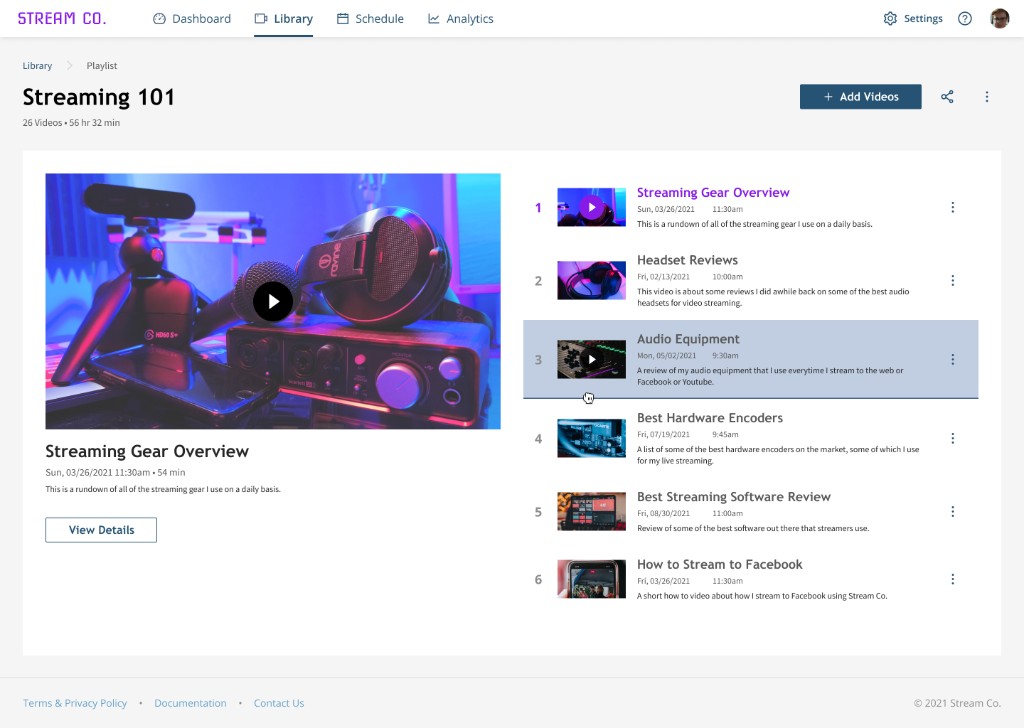
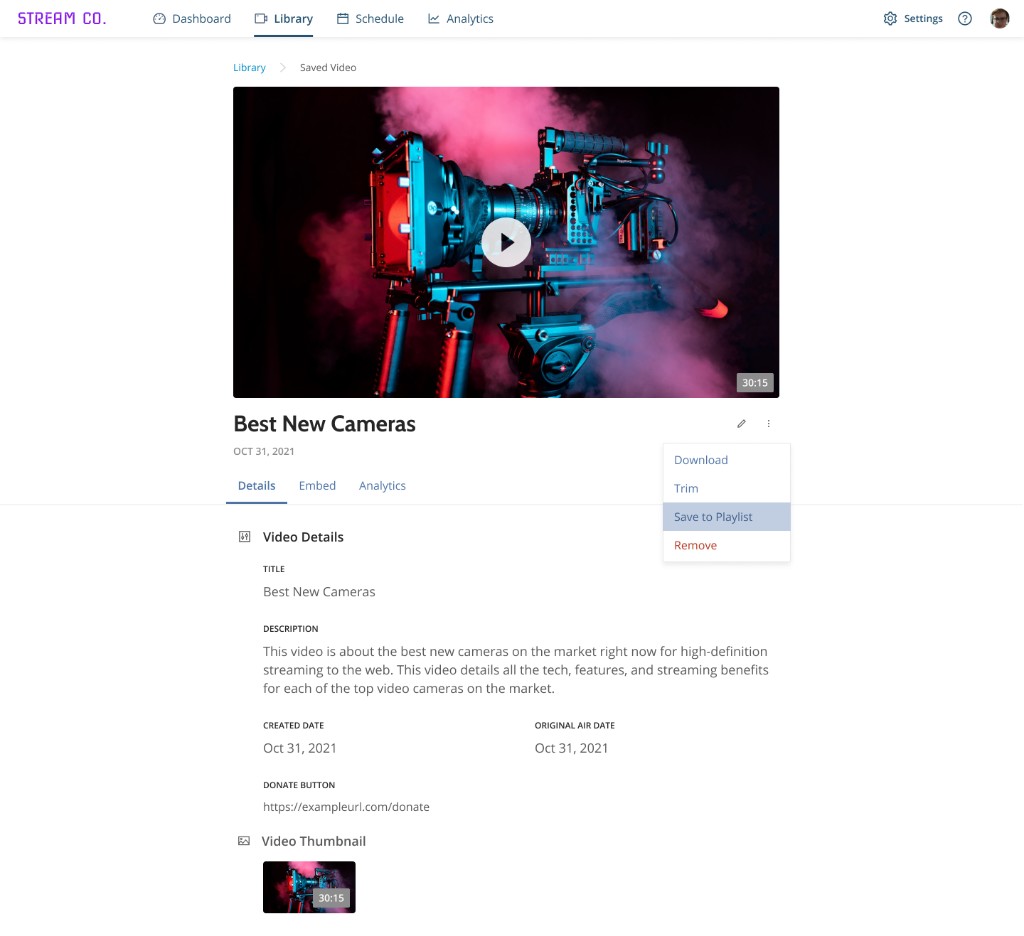
Library & Playlist Architecture
After a stream ended, broadcasters needed to reuse content quickly.
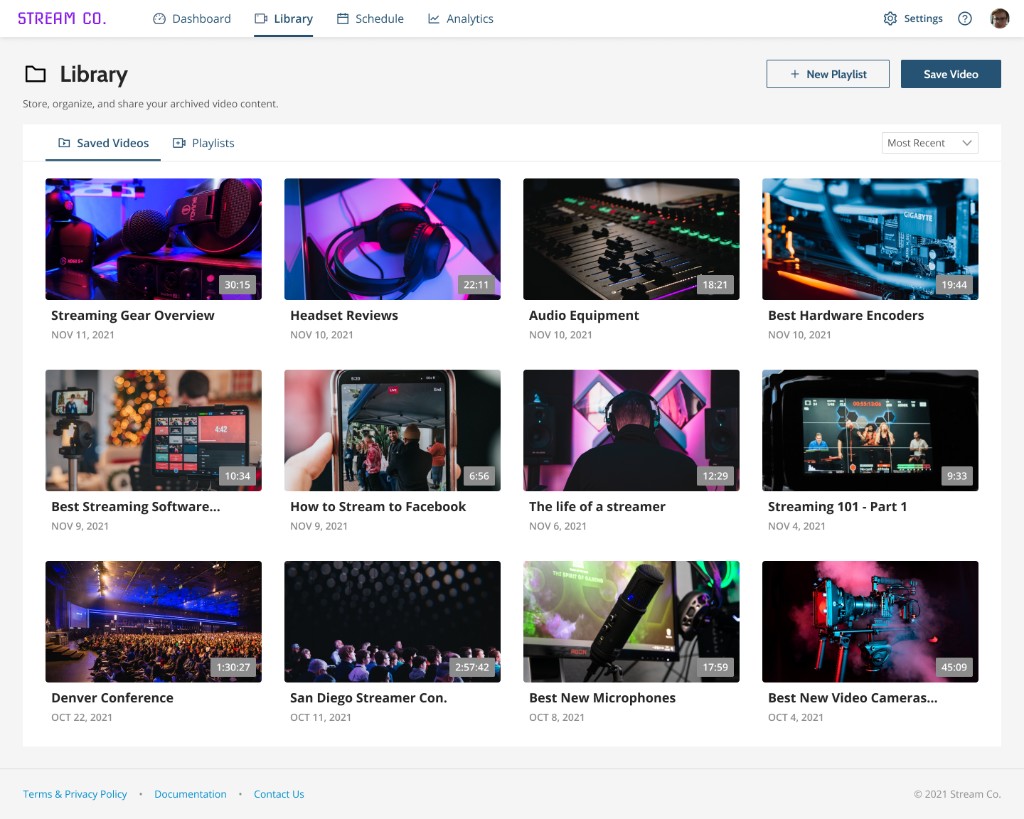
I designed:
- A scalable video library
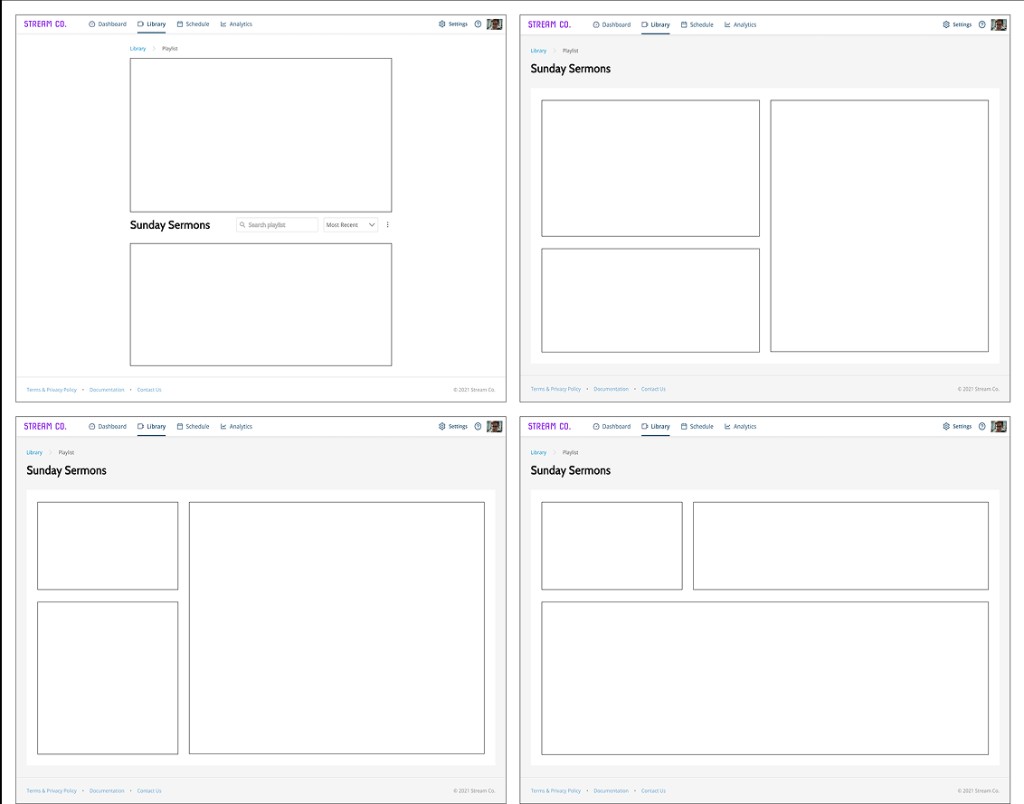
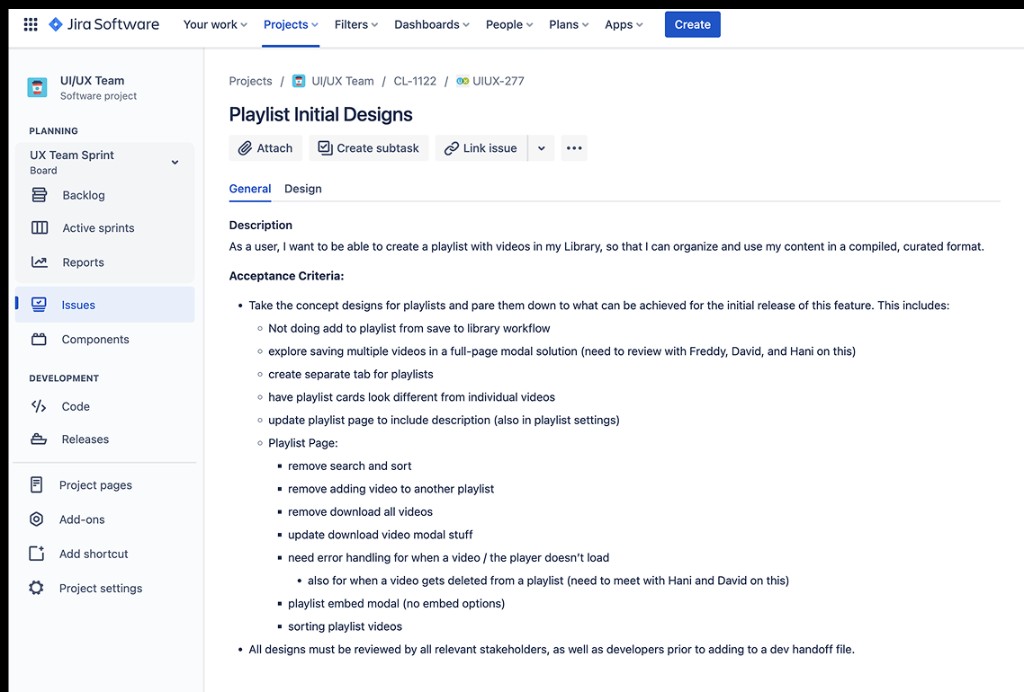
- Playlist creation and management
- Drag-and-drop ordering
- Cross-channel sharing workflows
This turned livestream content into long-term reusable assets instead of one-time events.
Custom Video Player
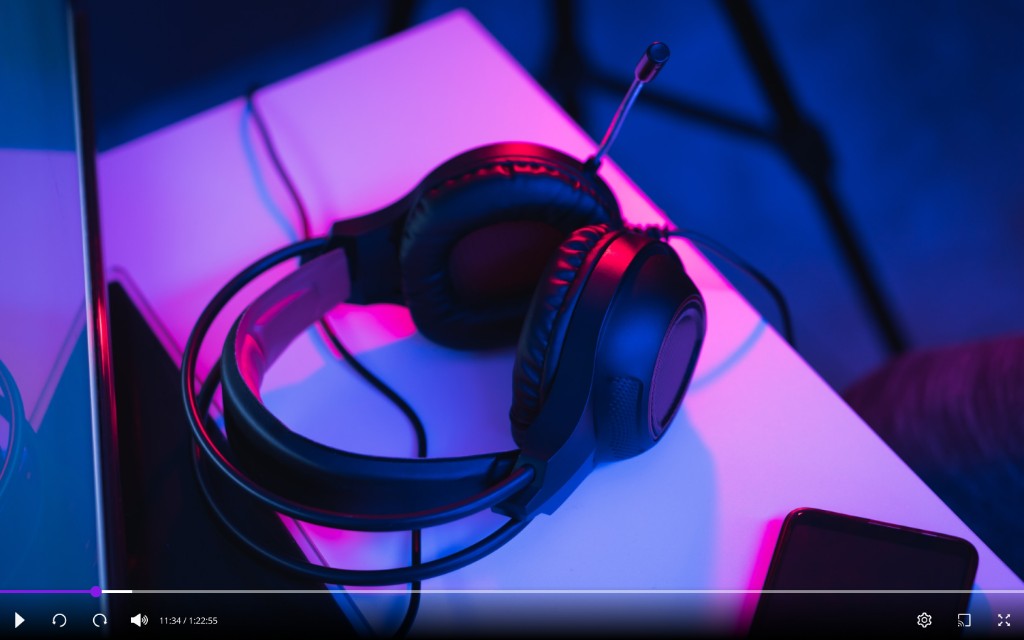
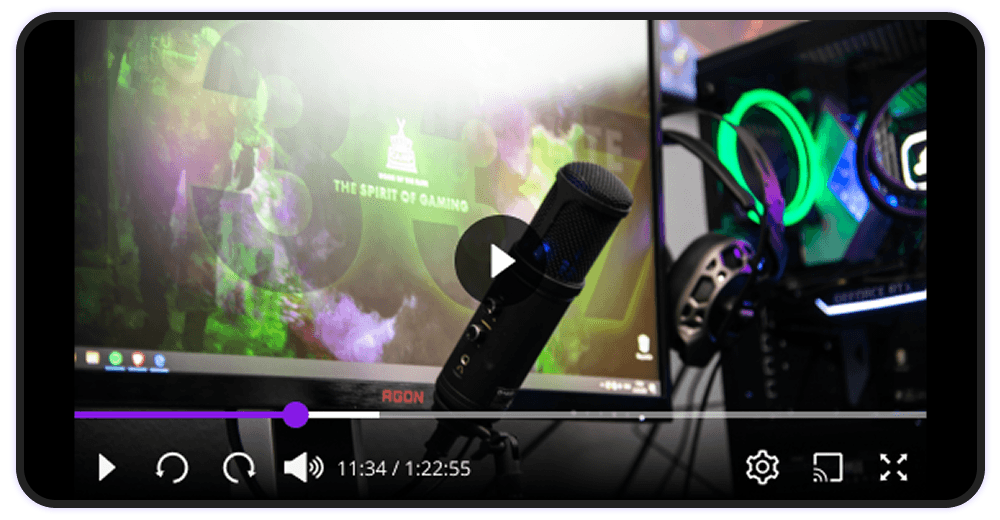
The viewer player was a critical surface.
I designed:
- Quality selection controls
- Adaptive resolution behavior
- Accessible controls and subtitles
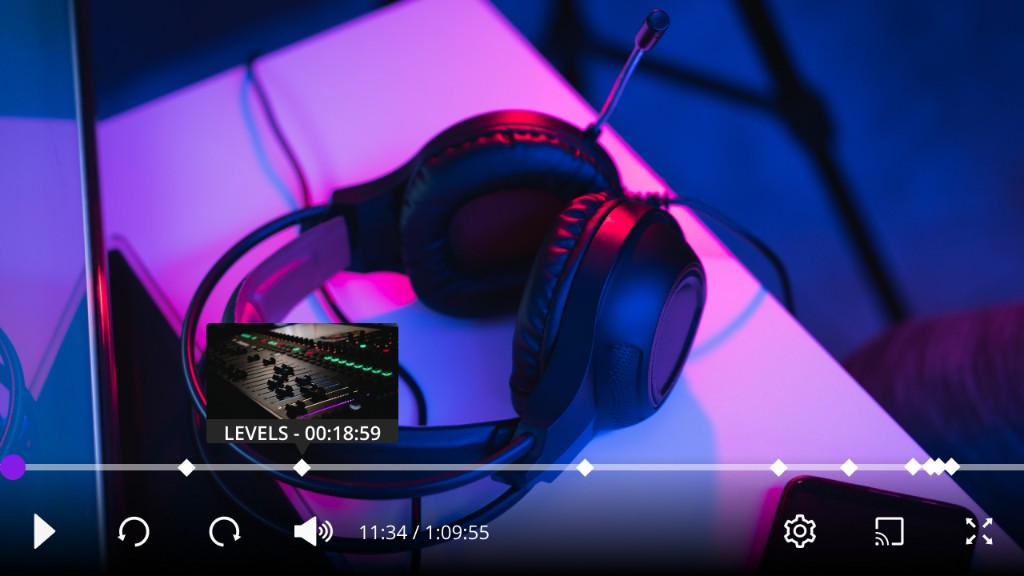
- Scrubbing with chapter previews
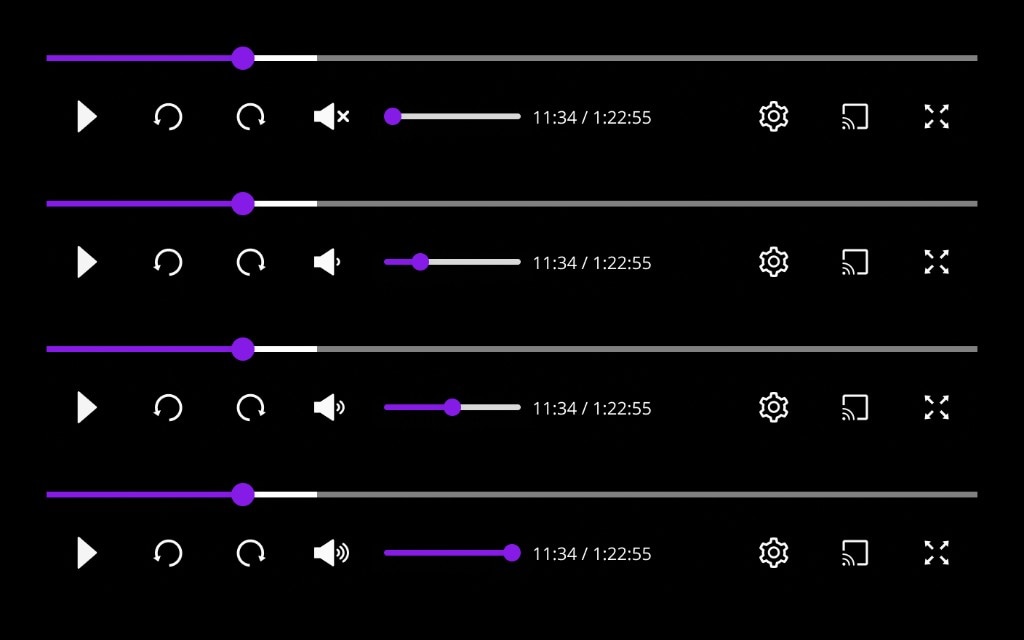
- Volume state microinteractions
- Responsive layout across breakpoints
Special consideration was given to:
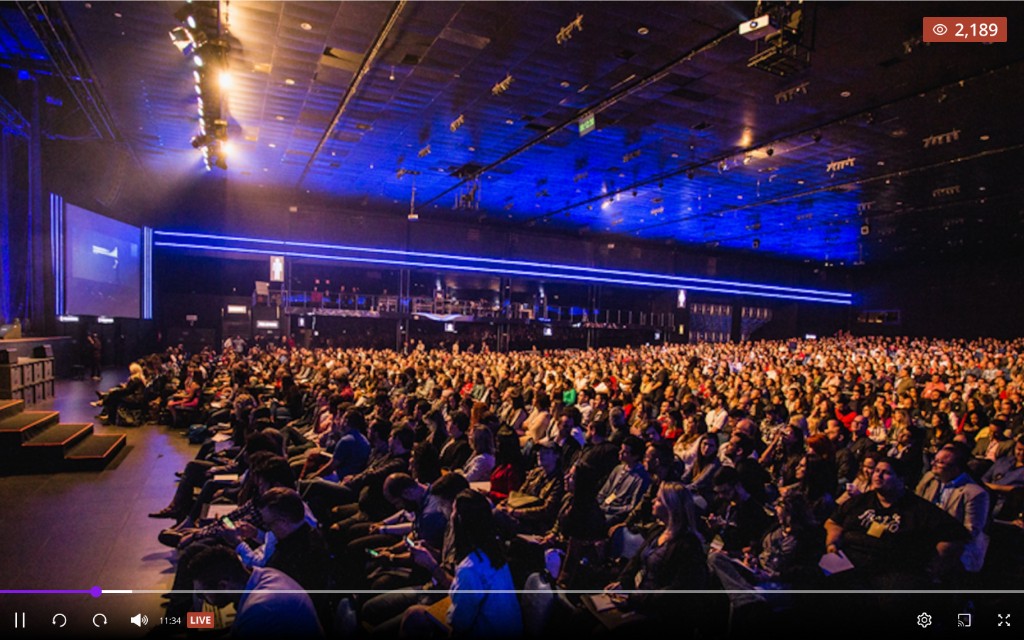
- Live state indicators
- Viewer count during live streams
- Visual hierarchy during full-screen playback
The player balanced brand customization with performance constraints.
Microinteractions for Clarity
Small details mattered:
- Timeline image slices with timestamps
- Volume icon states based on level
- Hover states for chapter markers
- Smooth transitions during quality switching
These interactions reinforced trust and polish in a high-stakes environment.
Responsive System
The player and controls were designed to scale across:
- Desktop
- Tablet
- Mobile
Rather than shrinking controls, I restructured interaction models to preserve usability at every breakpoint.
Outcomes & Impact
The team met or exceeded all three targets within the first broadcast season:
- Reliability: 99.9%+ uptime and sub-10s ingest-to-stream latency were achieved, giving broadcasters confidence during live events.
- Operational clarity: The unified stream health dashboard reduced cognitive load and eliminated the need to juggle multiple tools while live.
- Viewer experience and NPS: Improved player reliability, reduced buffering, and clearer controls contributed to higher NPS for both broadcasters and viewers.
- Content reuse: Playlist usage and post-stream organization increased, turning one-off streams into reusable assets.
Most importantly, the platform moved from a set of tools to a cohesive product experience.
What I'd Do Next
If I were to evolve this platform further, I would explore:
- AI-driven encoding optimization
- Automated highlight and clip generation
- Predictive stream health alerts
- Smart playlist suggestions based on viewer behavior
The next evolution would focus on automation and intelligence layered onto the existing system.